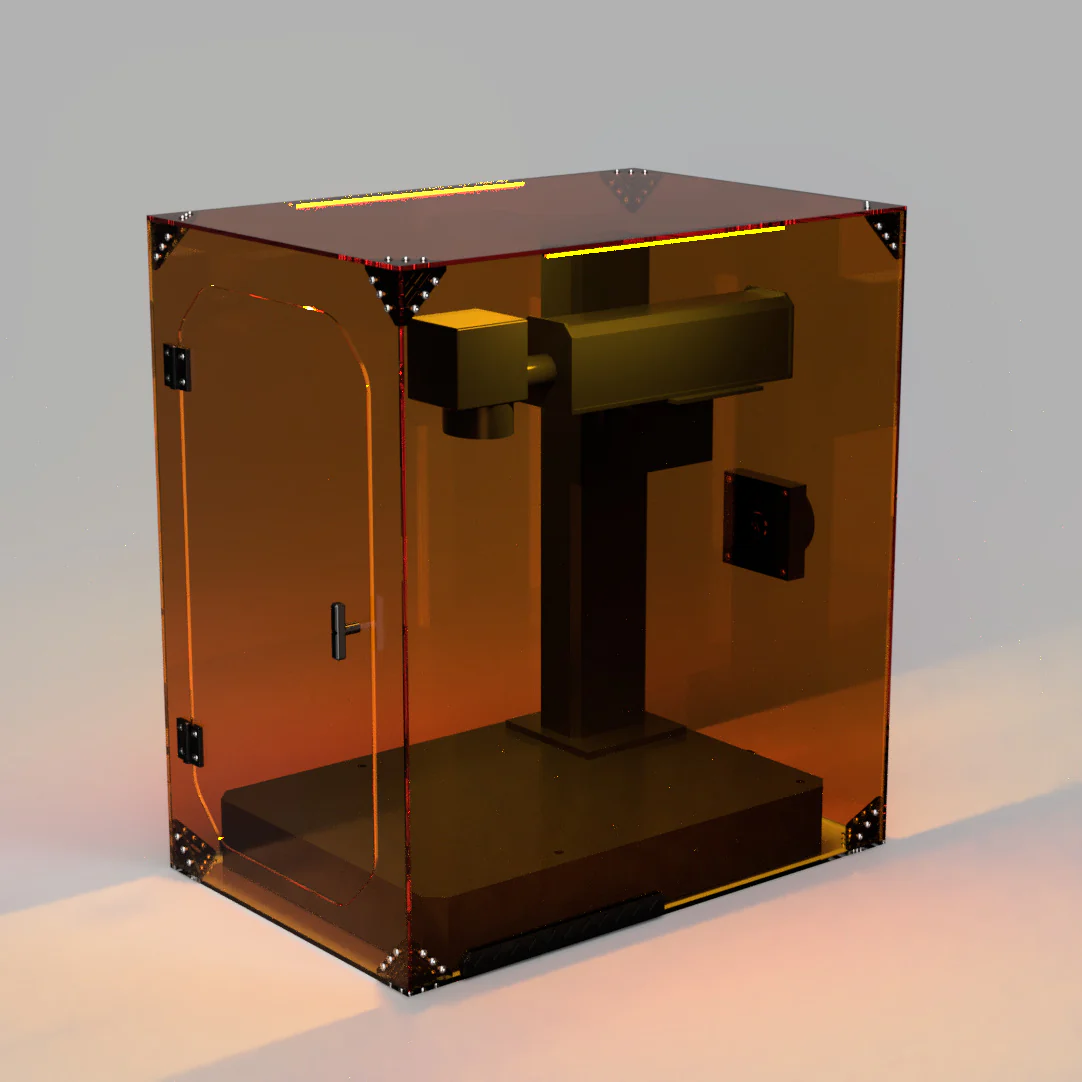
UV Laser (355 nm / Class 4) — Workplace Safety & Compliance Document Pack (Digital Download)
Professional Safety Documentation for Class 4 UV Laser Installations
UV lasers at 355 nm are Class 4 — the most hazardous laser classification — but they're dangerous in ways that are fundamentally different from fiber or CO₂ lasers. At 355 nm, the damage mechanism is photochemical, not thermal: UV photons carry enough energy (3.5 eV) to break molecular bonds on contact, causing photokeratitis ("welder's flash") from a single exposure and cumulative cataract formation from repeated exposure. UV radiation is also classified as a Group 1 Carcinogen by the IARC. And unlike any other laser type, 355 nm systems generate ozone — a toxic respiratory irritant with an OSHA PEL of just 0.1 ppm that cannot be filtered and must be vented outdoors.
This document pack gives you the professionally written safety framework for operating UV laser marking, engraving, and processing systems — covering photochemical radiation hazards, ozone ventilation requirements, material-specific fume controls, and the full ANSI Z136.1-2022 laser safety program your facility needs.
Developed by Clearview Plastics, the industry leader in laser enclosures and workplace safety solutions since 2008.
What's Included (3 Documents)
1. Workplace Safety & Compliance Package
Your core laser safety document — 18 sections addressing the unique hazard profile of 355 nm UV laser systems. Covers UV radiation fundamentals (photochemical vs. thermal damage comparison), acute eye hazards (photokeratitis with 6–12 hour delayed onset), chronic eye hazards (irreversible cataract formation from cumulative exposure), skin carcinogenesis (IARC Group 1), and ozone generation mechanics. Includes complete material-specific fume hazard matrix — plastics (benzene, toluene, styrene, hydrogen cyanide from ABS), medical devices/PVC (hydrogen chloride, dioxins, phthalates), PCBs (lead, brominated compounds, formaldehyde), glass/ceramics (silica — silicosis risk), and rubber/elastomers — with OSHA PELs and material-appropriate filtration requirements (activated carbon, caustic scrubber, HEPA) for each. Full engineering control specifications: OD 5+ UV-blocking enclosures at 355 nm, non-defeatable interlocks, ozone ventilation design (100–200 CFM, non-recirculating, vented outdoors — ozone cannot be filtered by HEPA or carbon), fume extraction sizing, and controlled area designation. Complete PPE matrix with UV-specific OD 5+ safety eyewear (different wavelength than fiber laser glasses), UV-blocking skin protection, and respiratory protection. Laser Safety Officer program, LOTO procedures, emergency response, operator training checklist, incident reporting log, state-specific requirements, and ANSI-standard signage templates.
⚠ UV Lasers Generate Ozone: 355 nm photons dissociate atmospheric oxygen, producing ozone (O₃) at concentrations that can exceed OSHA's 0.1 ppm limit in enclosed spaces without adequate ventilation. Ozone cannot be removed by HEPA filtration or activated carbon — it must be vented directly outdoors. These documents include the ventilation design specifications and ozone monitoring protocols to keep your facility compliant.
2. Room Readiness Guide
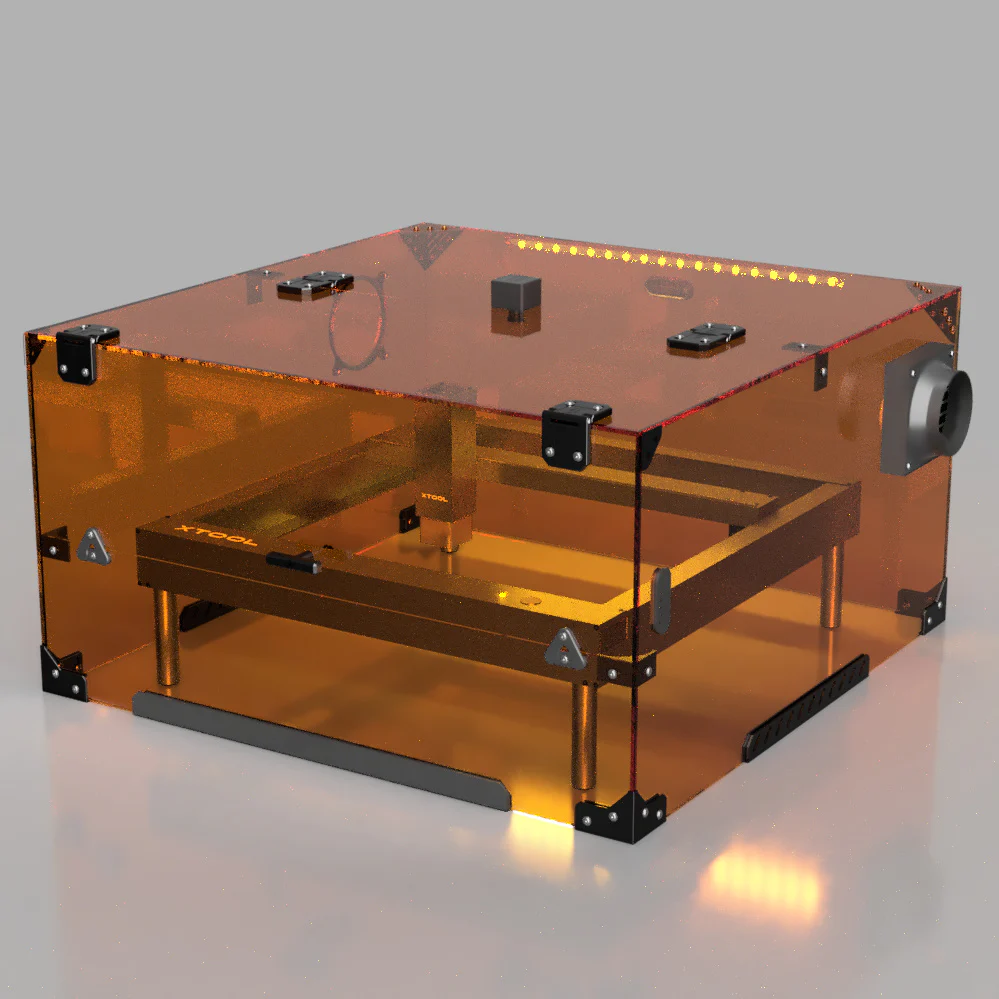
Pre-installation checklist designed specifically for UV laser environments — covering space requirements and machine footprint clearances, electrical infrastructure (dedicated circuits, power quality, UPS considerations), ventilation and ozone exhaust routing (mandatory non-recirculating outdoor exhaust), UV radiation containment and enclosure specifications, water cooling system placement and heat load management, compressed air delivery requirements (oil-free, filtered, dry), fire safety, temperature and environmental controls, air quality monitoring infrastructure, and a complete pre-installation checklist. Complete this before your UV laser system arrives.
3. Maintenance & Inspection Guide
Ongoing compliance documentation with scheduled inspection tables for enclosure integrity, UV-blocking panel verification, interlock function testing (quarterly minimum per ANSI Z136.1), ozone monitoring logs (quarterly schedule), fume extraction performance, activated carbon and caustic scrubber filter replacement, water cooling system inspection, laser safety eyewear condition checks, and beam alignment verification. Includes a 6-month fillable inspection log. ANSI Z136.1-2022 and OSHA require documented maintenance records — this keeps your laser safety program audit-ready.
Regulatory Standards Referenced
- ANSI Z136.1-2022 (American National Standard for Safe Use of Lasers)
- ANSI Z136.9-2013 (Laser Classification by Hazard)
- FDA 21 CFR 1040.10 & 1040.11 (Performance Standards for Laser Products)
- IEC 60825-1 (Safety of Laser Products — International Standard)
- OSHA General Duty Clause, Section 5(a)(1) of the OSH Act
- OSHA 29 CFR 1910.1000 (Air Contaminants — Ozone PEL 0.1 ppm TWA)
- OSHA 29 CFR 1910.132/.133/.134 (PPE — General, Eye/Face, Respiratory)
- IARC Monograph 100D (UV Radiation as Group 1 Carcinogen)
- NFPA 115 (Fire Protection in Laboratories Using Lasers)
Who This Is For
- Businesses operating UV laser marking or engraving systems for plastics, glass, ceramics, or medical devices
- Medical device and pharmaceutical manufacturers with UV laser traceability marking
- PCB fabrication shops and electronics manufacturers using UV laser processing
- Job shops and contract manufacturers adding UV laser capability to their equipment
- Any facility preparing for an OSHA inspection or EHS audit with Class 4 UV laser equipment
How It Works
All three documents are delivered as editable .docx files. Fill in your facility name, laser model/serial numbers, Laser Safety Officer designation, materials being processed, and specific operating parameters in the clearly marked fields. Print, file, and present to your EHS department, OSHA inspector, insurance auditor, or facility safety officer.
This is a baseline category-level document pack applicable to 355 nm UV laser systems from all major manufacturers and integrators — JPT Opto, Huaray, OMTech, and others. Machine-specific versions with pre-filled specifications are available separately.
Why UV Lasers Need Separate Safety Documentation From Fiber Lasers
If you already have safety documents for a fiber laser (1064 nm), they do not cover UV laser operations. The hazard profiles are fundamentally different — UV causes photochemical damage (not thermal), generates ozone (fiber lasers do not), creates entirely different fume byproducts depending on the material being processed (plastics, PVC, PCBs vs. metal fumes), requires different OD-rated safety eyewear (OD 5+ at 355 nm vs. OD 6+ at 1064 nm — they are not interchangeable), and introduces skin carcinogenesis as an occupational hazard. ANSI Z136.1-2022 treats these as separate hazard categories, and your documentation must reflect that.
Important Disclaimer
These documents are provided as an informational safety framework and do not constitute legal advice, regulatory certification, or a guarantee of compliance. Employers must verify that all recommendations align with current federal, state, and local occupational safety regulations and applicable laser safety standards. See full disclaimer within each document.
Product Information
Product Information
Shipping & Returns
Shipping & Returns
Description
Professional Safety Documentation for Class 4 UV Laser Installations
UV lasers at 355 nm are Class 4 — the most hazardous laser classification — but they're dangerous in ways that are fundamentally different from fiber or CO₂ lasers. At 355 nm, the damage mechanism is photochemical, not thermal: UV photons carry enough energy (3.5 eV) to break molecular bonds on contact, causing photokeratitis ("welder's flash") from a single exposure and cumulative cataract formation from repeated exposure. UV radiation is also classified as a Group 1 Carcinogen by the IARC. And unlike any other laser type, 355 nm systems generate ozone — a toxic respiratory irritant with an OSHA PEL of just 0.1 ppm that cannot be filtered and must be vented outdoors.
This document pack gives you the professionally written safety framework for operating UV laser marking, engraving, and processing systems — covering photochemical radiation hazards, ozone ventilation requirements, material-specific fume controls, and the full ANSI Z136.1-2022 laser safety program your facility needs.
Developed by Clearview Plastics, the industry leader in laser enclosures and workplace safety solutions since 2008.
What's Included (3 Documents)
1. Workplace Safety & Compliance Package
Your core laser safety document — 18 sections addressing the unique hazard profile of 355 nm UV laser systems. Covers UV radiation fundamentals (photochemical vs. thermal damage comparison), acute eye hazards (photokeratitis with 6–12 hour delayed onset), chronic eye hazards (irreversible cataract formation from cumulative exposure), skin carcinogenesis (IARC Group 1), and ozone generation mechanics. Includes complete material-specific fume hazard matrix — plastics (benzene, toluene, styrene, hydrogen cyanide from ABS), medical devices/PVC (hydrogen chloride, dioxins, phthalates), PCBs (lead, brominated compounds, formaldehyde), glass/ceramics (silica — silicosis risk), and rubber/elastomers — with OSHA PELs and material-appropriate filtration requirements (activated carbon, caustic scrubber, HEPA) for each. Full engineering control specifications: OD 5+ UV-blocking enclosures at 355 nm, non-defeatable interlocks, ozone ventilation design (100–200 CFM, non-recirculating, vented outdoors — ozone cannot be filtered by HEPA or carbon), fume extraction sizing, and controlled area designation. Complete PPE matrix with UV-specific OD 5+ safety eyewear (different wavelength than fiber laser glasses), UV-blocking skin protection, and respiratory protection. Laser Safety Officer program, LOTO procedures, emergency response, operator training checklist, incident reporting log, state-specific requirements, and ANSI-standard signage templates.
⚠ UV Lasers Generate Ozone: 355 nm photons dissociate atmospheric oxygen, producing ozone (O₃) at concentrations that can exceed OSHA's 0.1 ppm limit in enclosed spaces without adequate ventilation. Ozone cannot be removed by HEPA filtration or activated carbon — it must be vented directly outdoors. These documents include the ventilation design specifications and ozone monitoring protocols to keep your facility compliant.
2. Room Readiness Guide
Pre-installation checklist designed specifically for UV laser environments — covering space requirements and machine footprint clearances, electrical infrastructure (dedicated circuits, power quality, UPS considerations), ventilation and ozone exhaust routing (mandatory non-recirculating outdoor exhaust), UV radiation containment and enclosure specifications, water cooling system placement and heat load management, compressed air delivery requirements (oil-free, filtered, dry), fire safety, temperature and environmental controls, air quality monitoring infrastructure, and a complete pre-installation checklist. Complete this before your UV laser system arrives.
3. Maintenance & Inspection Guide
Ongoing compliance documentation with scheduled inspection tables for enclosure integrity, UV-blocking panel verification, interlock function testing (quarterly minimum per ANSI Z136.1), ozone monitoring logs (quarterly schedule), fume extraction performance, activated carbon and caustic scrubber filter replacement, water cooling system inspection, laser safety eyewear condition checks, and beam alignment verification. Includes a 6-month fillable inspection log. ANSI Z136.1-2022 and OSHA require documented maintenance records — this keeps your laser safety program audit-ready.
Regulatory Standards Referenced
- ANSI Z136.1-2022 (American National Standard for Safe Use of Lasers)
- ANSI Z136.9-2013 (Laser Classification by Hazard)
- FDA 21 CFR 1040.10 & 1040.11 (Performance Standards for Laser Products)
- IEC 60825-1 (Safety of Laser Products — International Standard)
- OSHA General Duty Clause, Section 5(a)(1) of the OSH Act
- OSHA 29 CFR 1910.1000 (Air Contaminants — Ozone PEL 0.1 ppm TWA)
- OSHA 29 CFR 1910.132/.133/.134 (PPE — General, Eye/Face, Respiratory)
- IARC Monograph 100D (UV Radiation as Group 1 Carcinogen)
- NFPA 115 (Fire Protection in Laboratories Using Lasers)
Who This Is For
- Businesses operating UV laser marking or engraving systems for plastics, glass, ceramics, or medical devices
- Medical device and pharmaceutical manufacturers with UV laser traceability marking
- PCB fabrication shops and electronics manufacturers using UV laser processing
- Job shops and contract manufacturers adding UV laser capability to their equipment
- Any facility preparing for an OSHA inspection or EHS audit with Class 4 UV laser equipment
How It Works
All three documents are delivered as editable .docx files. Fill in your facility name, laser model/serial numbers, Laser Safety Officer designation, materials being processed, and specific operating parameters in the clearly marked fields. Print, file, and present to your EHS department, OSHA inspector, insurance auditor, or facility safety officer.
This is a baseline category-level document pack applicable to 355 nm UV laser systems from all major manufacturers and integrators — JPT Opto, Huaray, OMTech, and others. Machine-specific versions with pre-filled specifications are available separately.
Why UV Lasers Need Separate Safety Documentation From Fiber Lasers
If you already have safety documents for a fiber laser (1064 nm), they do not cover UV laser operations. The hazard profiles are fundamentally different — UV causes photochemical damage (not thermal), generates ozone (fiber lasers do not), creates entirely different fume byproducts depending on the material being processed (plastics, PVC, PCBs vs. metal fumes), requires different OD-rated safety eyewear (OD 5+ at 355 nm vs. OD 6+ at 1064 nm — they are not interchangeable), and introduces skin carcinogenesis as an occupational hazard. ANSI Z136.1-2022 treats these as separate hazard categories, and your documentation must reflect that.
Important Disclaimer
These documents are provided as an informational safety framework and do not constitute legal advice, regulatory certification, or a guarantee of compliance. Employers must verify that all recommendations align with current federal, state, and local occupational safety regulations and applicable laser safety standards. See full disclaimer within each document.