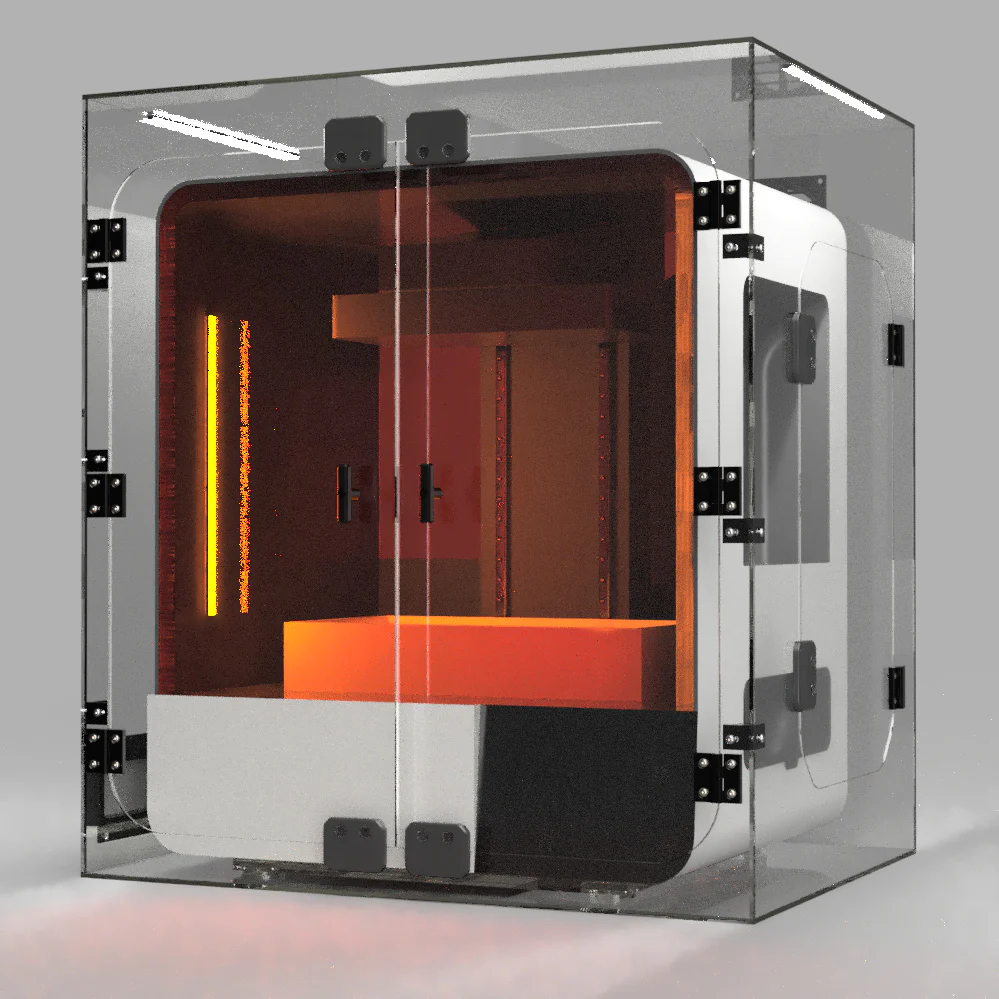
Resin 3D Printer (SLA / DLP / MSLA) — Workplace Safety & Compliance Document Pack (Digital Download)
Professional Safety Documentation for Resin 3D Printer Installations
Resin printers are not just another 3D printer — they introduce chemical exposure, UV radiation, and hazardous waste handling requirements that most workplaces are not prepared to document. OSHA's Hazard Communication Standard (29 CFR 1910.1200), PPE requirements, and EPA hazardous waste regulations apply the moment you uncap a bottle of photopolymer resin in a workplace setting.
This document pack gives you the professionally written safety framework your facility needs to operate SLA, DLP, and MSLA resin printers — covering everything from skin sensitization prevention to IPA wash station ventilation to cured resin waste disposal.
Developed by Clearview Plastics, the industry leader in 3D printer enclosures and workplace safety solutions since 2008.
What's Included (3 Documents)
1. Workplace Safety & Compliance Package
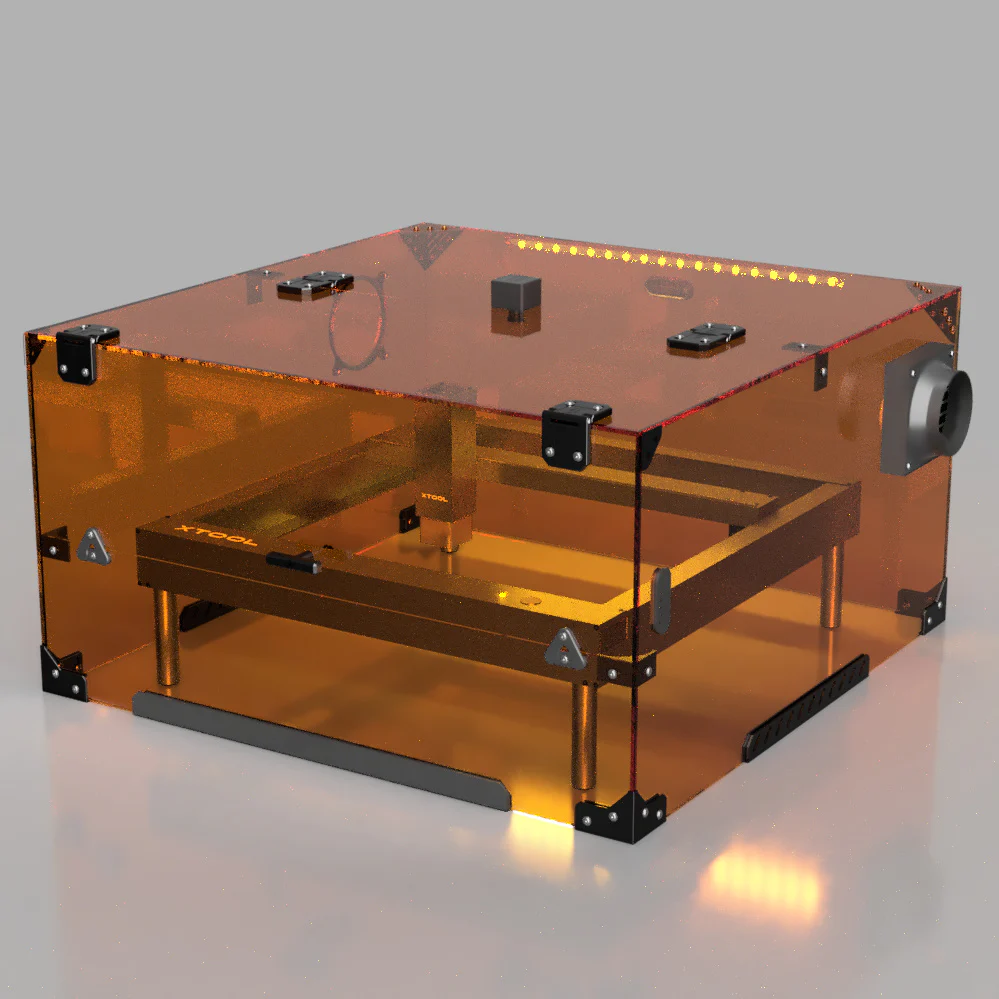
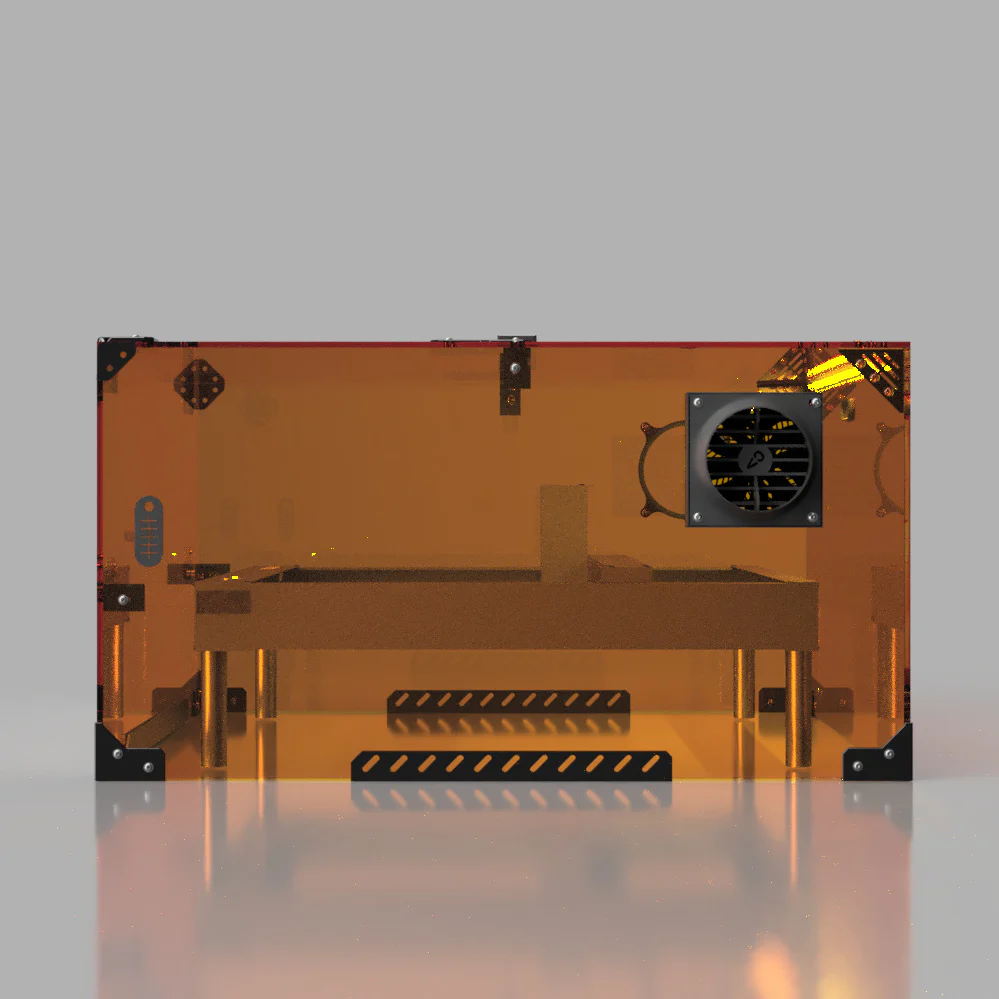
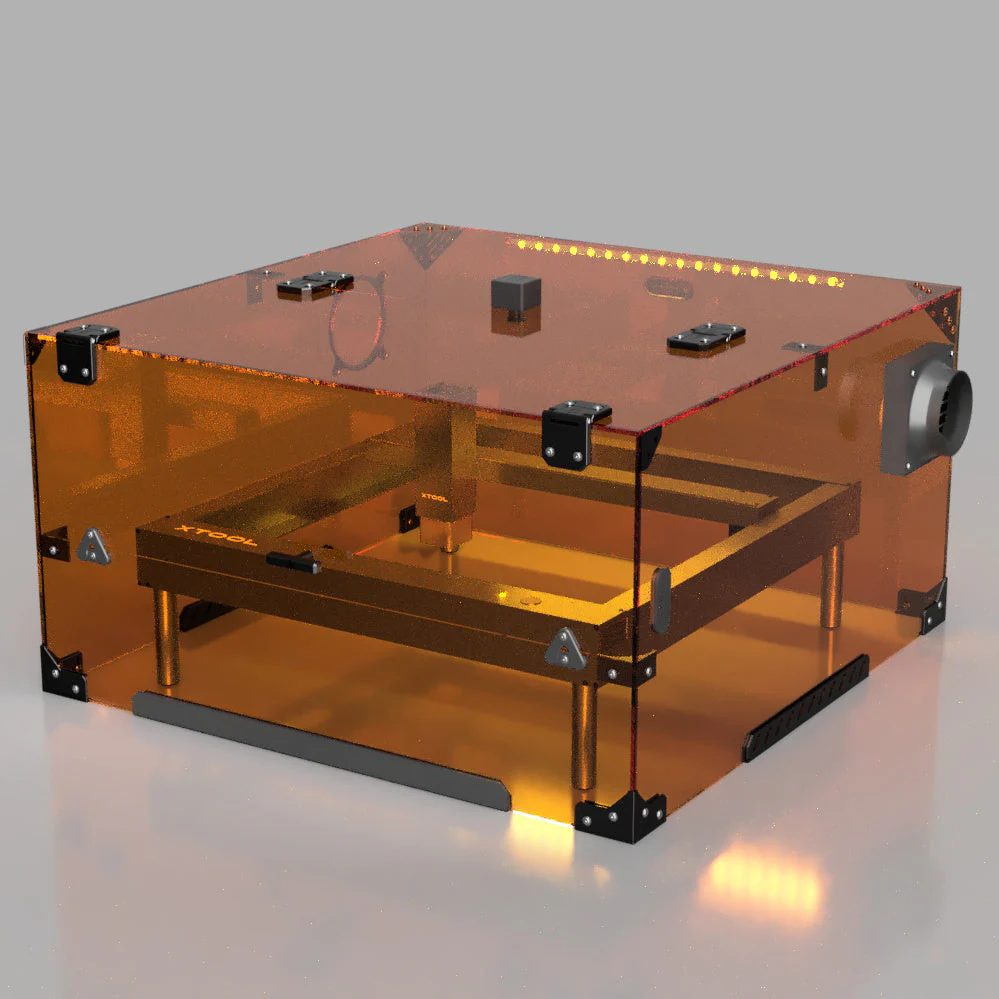
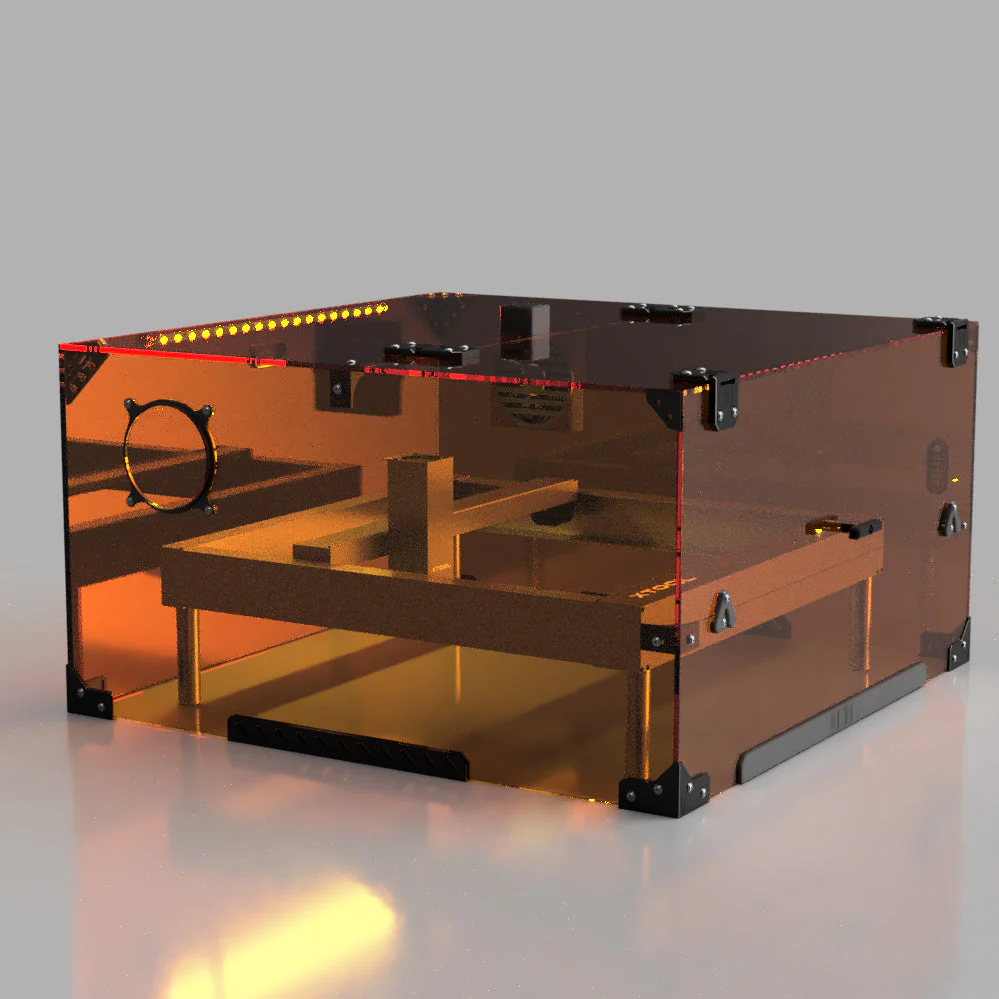
Your core safety document — covering hazard identification for photopolymer resins (methacrylates, acrylates, photoinitiators), UV radiation exposure at 385 nm and 405 nm wavelengths, VOC emissions, and IPA solvent handling. Includes complete resin type hazard matrix (standard, ABS-like, flexible, tough, dental/biocompatible, castable, and water-washable resins), OSHA PEL reference tables, engineering control specifications for UV-blocking enclosures and ventilation, full PPE requirements (nitrile gloves, UV-blocking safety glasses, respirator selection), spill response procedures, and EPA-compliant hazardous waste disposal guidance. 18 sections covering every regulatory touchpoint.
⚠ Resin-Specific Hazard: Photopolymer resins are Category 1 Skin Sensitizers. Once an operator develops allergic contact dermatitis from repeated exposure, they are permanently sensitized and will react to even trace amounts. These documents include the protocols to prevent initial sensitization — because it cannot be reversed.
2. Room Readiness Guide
Pre-installation checklist designed specifically for resin printer environments — covering space requirements, electrical specifications, ventilation routing (minimum 6–8 ACH for general use, 10–12 ACH for educational/high-use), UV shielding validation, IPA wash station placement and grounding, chemical storage requirements (flammable cabinet for IPA, separate resin storage), spill containment sizing, plumbing for water-washable systems, and emergency equipment positioning. Complete this before your equipment arrives.
3. Maintenance & Inspection Guide
Ongoing compliance documentation with scheduled inspection tables for enclosures, UV-blocking panels, FEP film condition, ventilation systems, and wash stations. Includes air quality verification procedures, UV transmission testing guidance, activated carbon filter replacement schedules, IPA contamination monitoring, and a 6-month fillable inspection log. OSHA requires maintenance records be kept for a minimum of 3 years — this document keeps you organized and audit-ready.
Regulatory Standards Referenced
- OSHA 29 CFR 1910.132/.133/.134 (PPE — General, Eye/Face, Respiratory Protection)
- OSHA 29 CFR 1910.1200 (Hazard Communication Standard — GHS/SDS Requirements)
- ANSI Z87.1 (Occupational Eye and Face Protection — UV-Blocking Requirement)
- EPA 40 CFR 261 & 262 (Hazardous Waste Classification and Generator Requirements)
- ACGIH TLV® (Threshold Limit Values for UV-A Radiation and Organic Vapors)
- Cal/OSHA Title 8 CCR §3203 (Injury & Illness Prevention Program)
- NFPA 30 (Flammable and Combustible Liquids Code — IPA Storage)
Who This Is For
- Dental labs, jewelry studios, and prototyping shops running resin printers daily
- Schools and universities adding SLA/DLP capabilities to existing maker labs
- Engineering and product development teams with resin printers in shared workspaces
- Any business operating resin printers where employees handle uncured photopolymers
How It Works
All three documents are delivered as editable .docx files. Fill in your facility name, equipment models, resin types in use, and specific operating parameters in the clearly marked fields. Print, file, and present to your EHS department, safety auditor, or facility inspector.
This is a baseline category-level document pack applicable to resin printers from all major manufacturers — Formlabs, Elegoo, Anycubic, Creality, Phrozen, Prusa, and others. Machine-specific versions with pre-filled specifications are available separately.
Why Resin Printers Need Separate Safety Documentation
If you already have safety documents for FDM/FFF printers, they do not cover resin operations. The hazard profiles are fundamentally different — resin introduces chemical sensitization, UV radiation, flammable solvent handling, and hazardous waste disposal requirements that do not exist in filament-based printing. OSHA treats these as separate exposure categories, and your documentation should reflect that.
Important Disclaimer
These documents are provided as an informational safety framework and do not constitute legal advice, regulatory certification, or a guarantee of compliance. Employers must verify that all recommendations align with current federal, state, and local occupational safety and environmental regulations. See full disclaimer within each document.
Product Information
Product Information
Shipping & Returns
Shipping & Returns
Description
Professional Safety Documentation for Resin 3D Printer Installations
Resin printers are not just another 3D printer — they introduce chemical exposure, UV radiation, and hazardous waste handling requirements that most workplaces are not prepared to document. OSHA's Hazard Communication Standard (29 CFR 1910.1200), PPE requirements, and EPA hazardous waste regulations apply the moment you uncap a bottle of photopolymer resin in a workplace setting.
This document pack gives you the professionally written safety framework your facility needs to operate SLA, DLP, and MSLA resin printers — covering everything from skin sensitization prevention to IPA wash station ventilation to cured resin waste disposal.
Developed by Clearview Plastics, the industry leader in 3D printer enclosures and workplace safety solutions since 2008.
What's Included (3 Documents)
1. Workplace Safety & Compliance Package
Your core safety document — covering hazard identification for photopolymer resins (methacrylates, acrylates, photoinitiators), UV radiation exposure at 385 nm and 405 nm wavelengths, VOC emissions, and IPA solvent handling. Includes complete resin type hazard matrix (standard, ABS-like, flexible, tough, dental/biocompatible, castable, and water-washable resins), OSHA PEL reference tables, engineering control specifications for UV-blocking enclosures and ventilation, full PPE requirements (nitrile gloves, UV-blocking safety glasses, respirator selection), spill response procedures, and EPA-compliant hazardous waste disposal guidance. 18 sections covering every regulatory touchpoint.
⚠ Resin-Specific Hazard: Photopolymer resins are Category 1 Skin Sensitizers. Once an operator develops allergic contact dermatitis from repeated exposure, they are permanently sensitized and will react to even trace amounts. These documents include the protocols to prevent initial sensitization — because it cannot be reversed.
2. Room Readiness Guide
Pre-installation checklist designed specifically for resin printer environments — covering space requirements, electrical specifications, ventilation routing (minimum 6–8 ACH for general use, 10–12 ACH for educational/high-use), UV shielding validation, IPA wash station placement and grounding, chemical storage requirements (flammable cabinet for IPA, separate resin storage), spill containment sizing, plumbing for water-washable systems, and emergency equipment positioning. Complete this before your equipment arrives.
3. Maintenance & Inspection Guide
Ongoing compliance documentation with scheduled inspection tables for enclosures, UV-blocking panels, FEP film condition, ventilation systems, and wash stations. Includes air quality verification procedures, UV transmission testing guidance, activated carbon filter replacement schedules, IPA contamination monitoring, and a 6-month fillable inspection log. OSHA requires maintenance records be kept for a minimum of 3 years — this document keeps you organized and audit-ready.
Regulatory Standards Referenced
- OSHA 29 CFR 1910.132/.133/.134 (PPE — General, Eye/Face, Respiratory Protection)
- OSHA 29 CFR 1910.1200 (Hazard Communication Standard — GHS/SDS Requirements)
- ANSI Z87.1 (Occupational Eye and Face Protection — UV-Blocking Requirement)
- EPA 40 CFR 261 & 262 (Hazardous Waste Classification and Generator Requirements)
- ACGIH TLV® (Threshold Limit Values for UV-A Radiation and Organic Vapors)
- Cal/OSHA Title 8 CCR §3203 (Injury & Illness Prevention Program)
- NFPA 30 (Flammable and Combustible Liquids Code — IPA Storage)
Who This Is For
- Dental labs, jewelry studios, and prototyping shops running resin printers daily
- Schools and universities adding SLA/DLP capabilities to existing maker labs
- Engineering and product development teams with resin printers in shared workspaces
- Any business operating resin printers where employees handle uncured photopolymers
How It Works
All three documents are delivered as editable .docx files. Fill in your facility name, equipment models, resin types in use, and specific operating parameters in the clearly marked fields. Print, file, and present to your EHS department, safety auditor, or facility inspector.
This is a baseline category-level document pack applicable to resin printers from all major manufacturers — Formlabs, Elegoo, Anycubic, Creality, Phrozen, Prusa, and others. Machine-specific versions with pre-filled specifications are available separately.
Why Resin Printers Need Separate Safety Documentation
If you already have safety documents for FDM/FFF printers, they do not cover resin operations. The hazard profiles are fundamentally different — resin introduces chemical sensitization, UV radiation, flammable solvent handling, and hazardous waste disposal requirements that do not exist in filament-based printing. OSHA treats these as separate exposure categories, and your documentation should reflect that.
Important Disclaimer
These documents are provided as an informational safety framework and do not constitute legal advice, regulatory certification, or a guarantee of compliance. Employers must verify that all recommendations align with current federal, state, and local occupational safety and environmental regulations. See full disclaimer within each document.