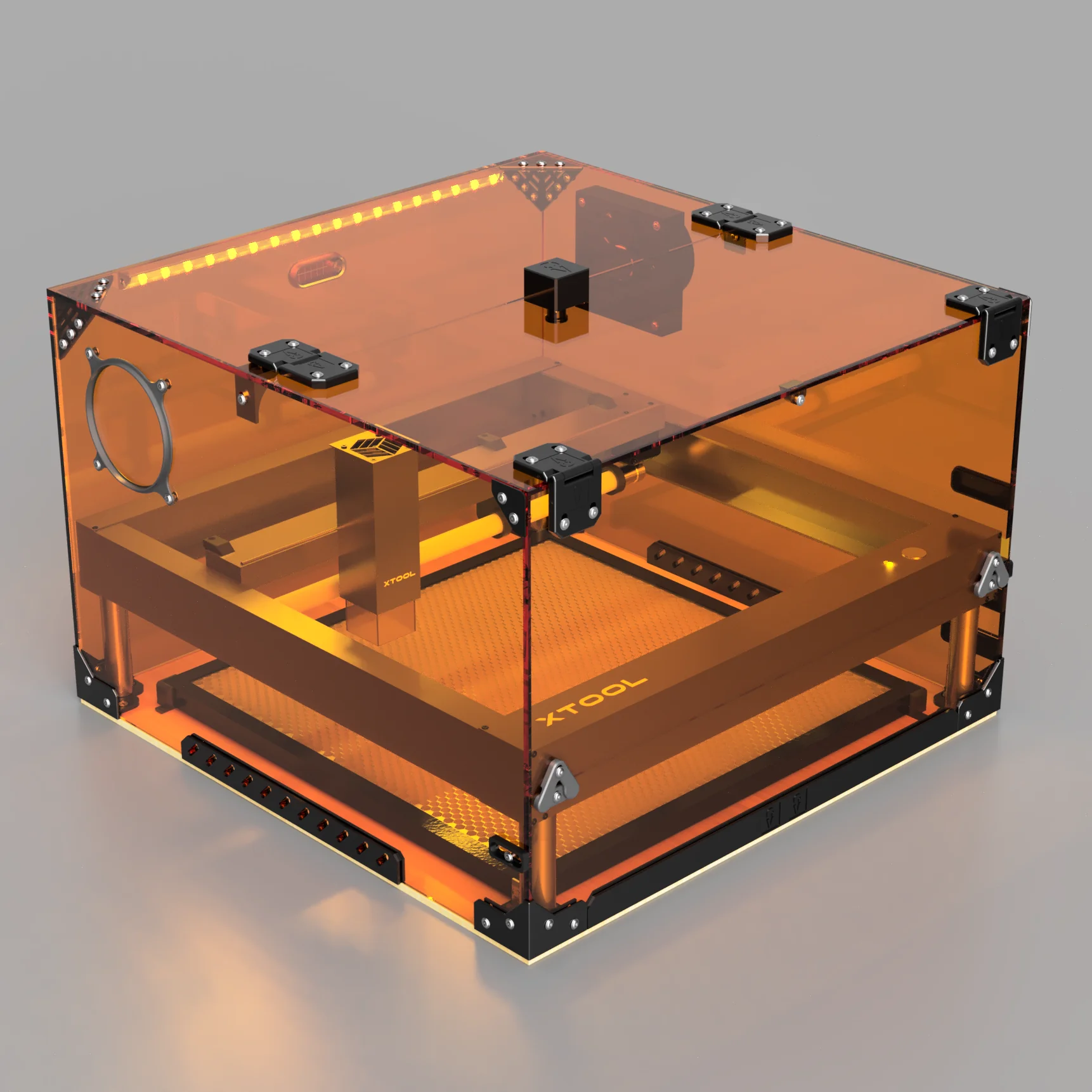
Diode Laser Engraver (445 nm / Class 4) — Safety & Compliance Document Pack (Digital Download)
Safety Documentation for Class 4 Diode Laser Engravers
Your diode laser engraver is a Class 4 laser — the most hazardous category that exists — and it shipped as an open-frame machine with no enclosure, no interlocks, and no beam containment. At 5–40 watts of focused 445 nm blue light, the beam reaches power densities above 5 MW/cm² at the focal point — enough to ignite wood, acrylic, leather, and fabric in under one second. That same beam causes instant, permanent retinal damage from direct exposure or even diffuse reflections off your workpiece.
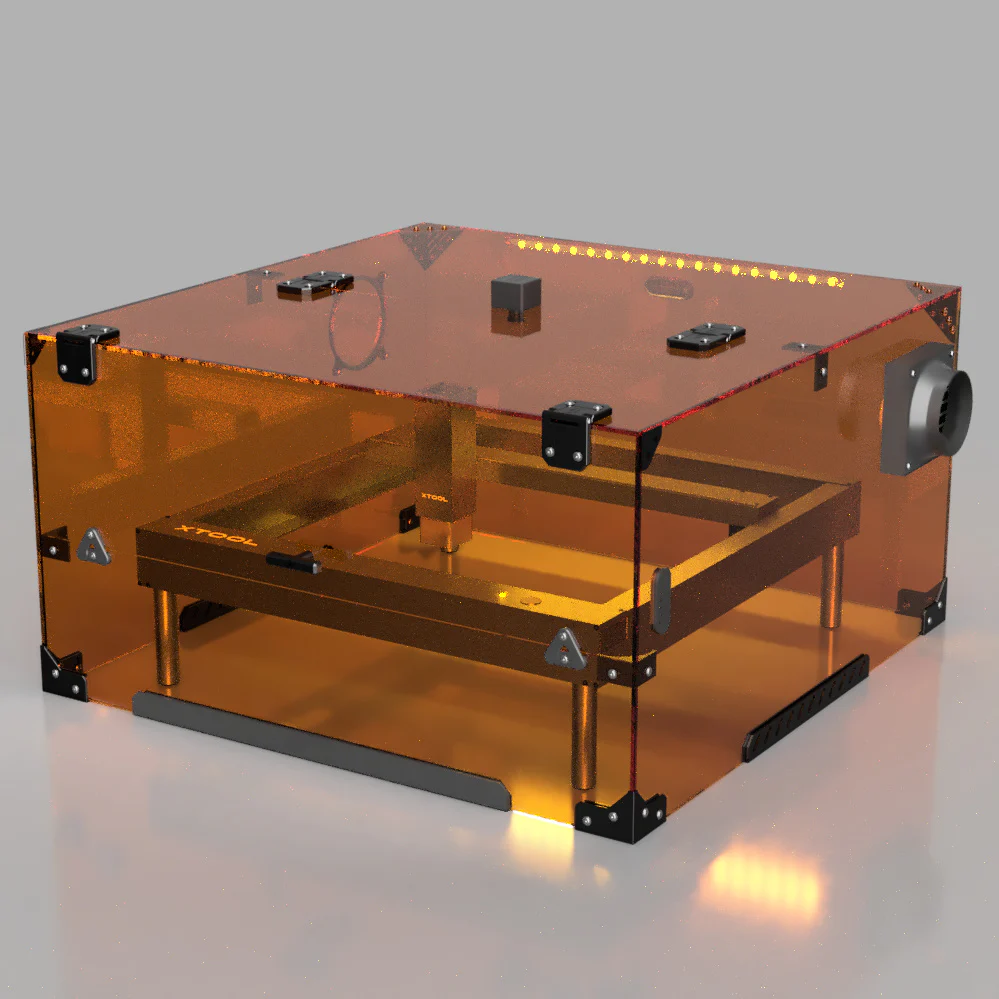
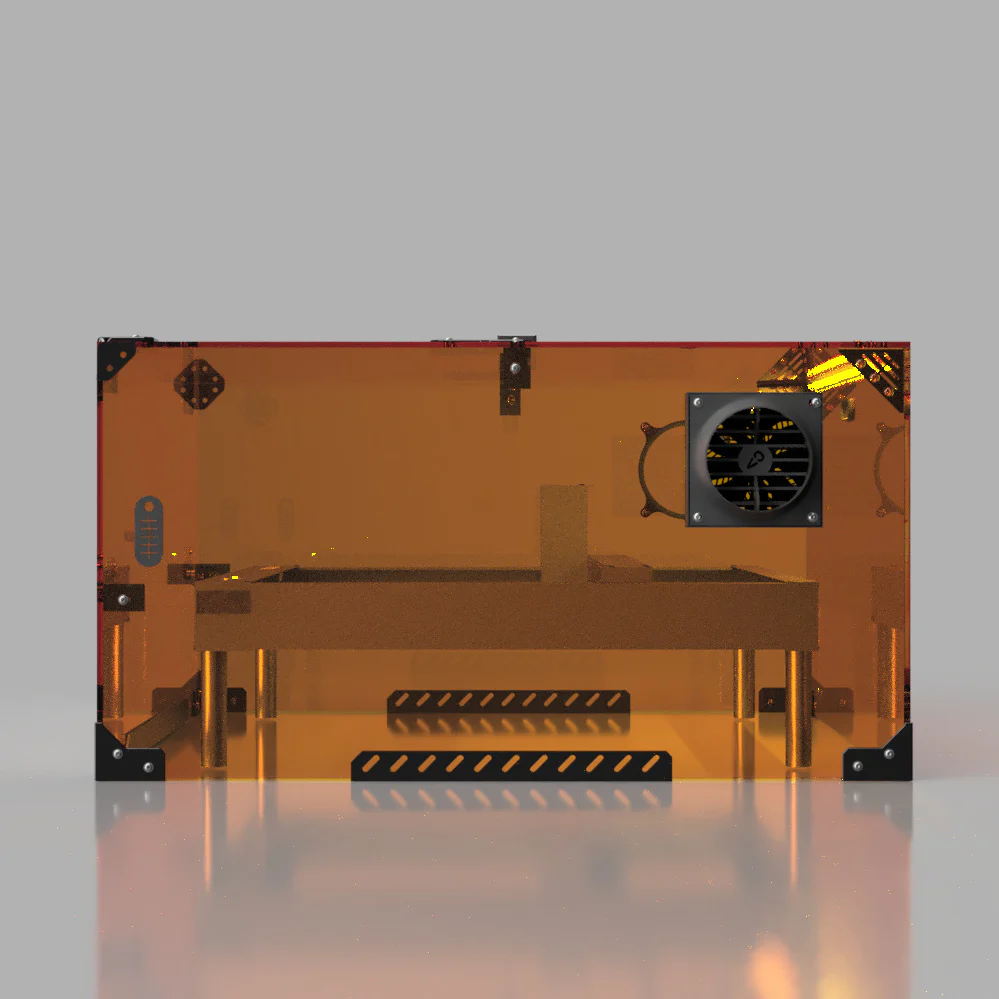
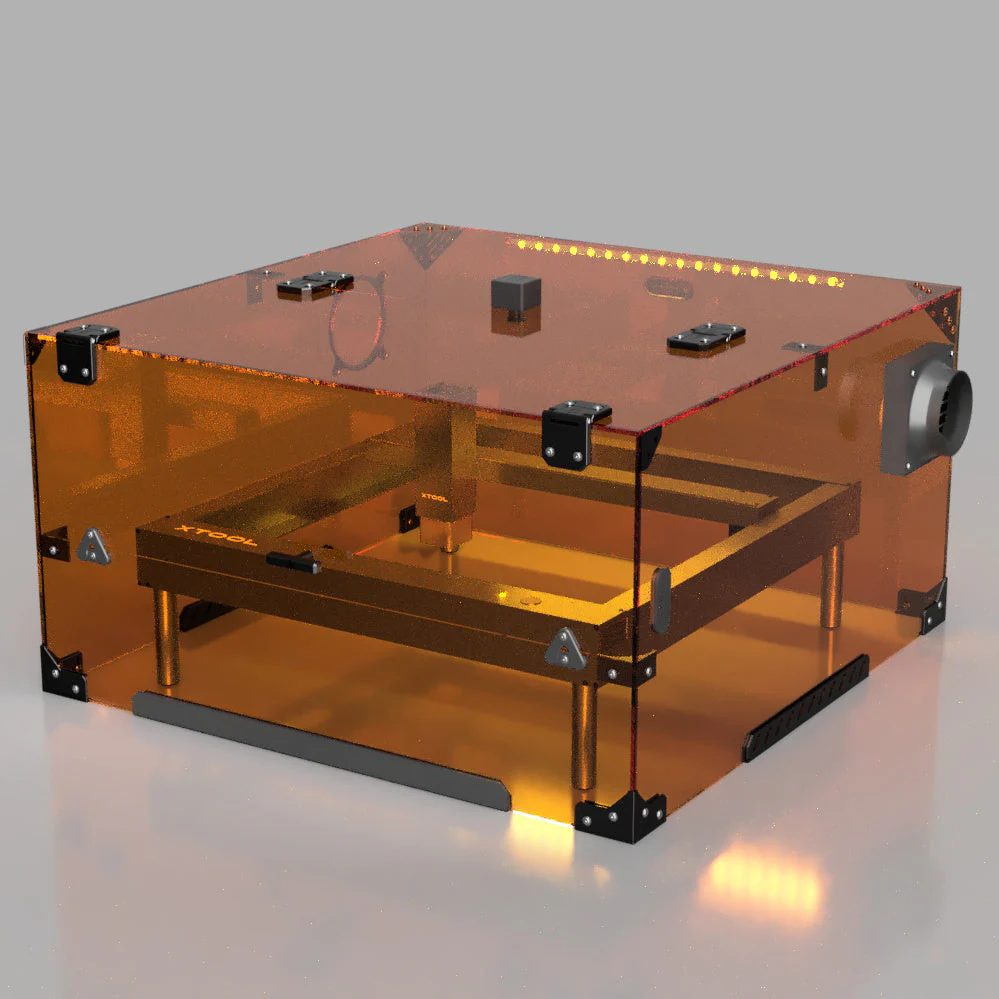
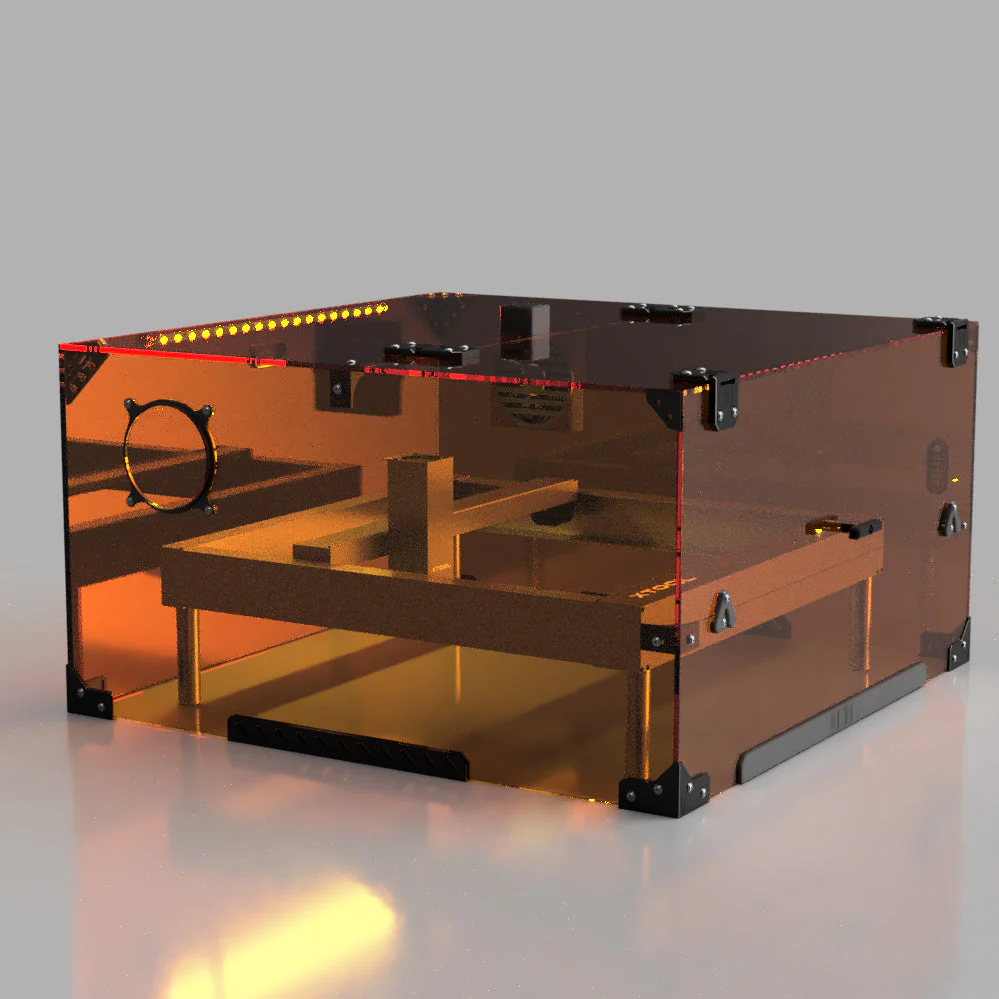
This document pack provides the safety framework for operating xTool, Ortur, Creality Falcon, Atomstack, NEJE, Sculpfun, and other consumer diode laser engravers — whether you're running one in a home garage, a small business workshop, a makerspace, or a school. It covers fire prevention, laser radiation protection, fume and smoke hazards, prohibited materials, and enclosure integration to convert your Class 4 system to a safe Class 1 configuration.
Developed by Clearview Plastics, the industry leader in laser enclosures and workplace safety solutions since 2008.
What's Included (3 Documents)
1. Safety & Compliance Package
Your core safety document — 20 sections addressing the unique hazard profile of consumer-grade open-frame diode lasers. Fire prevention is the primary focus — includes a layered fire prevention framework (material selection → enclosure containment → ventilation → fire suppression integration → operational discipline), fire ignition scenario analysis (unattended operation, ventilation failure, prohibited material ignition, enclosure seal failure), and prohibited materials list with specific toxic byproducts (PVC releases hydrochloric acid at IDLH concentrations; ABS releases acrylonitrile, a carcinogen). Covers 445 nm blue-light eye hazards (photochemical retinal damage — different mechanism than infrared lasers, OD 4+ eyewear required), material-specific fume hazards (wood pyrolysis produces PAHs and formaldehyde; acrylic releases MMA monomer; leather produces ammonia and hydrogen sulfide), ultra-fine particulate exposure, and complete enclosure engineering controls to achieve Class 1 conversion. Includes PPE matrix, safe operating procedures (no unattended operation, 20–30 minute visual inspection intervals), emergency procedures, and operator training checklist.
🔥 Fire Is the #1 Hazard: A 5–40W diode laser concentrates enough energy in a 0.1 mm spot to reach surface temperatures above 3,000°C at the focal zone. Dwell time over 0.5 seconds on wood or acrylic typically causes ignition. These documents include the layered fire prevention controls, prohibited material list, and fire suppression integration guidance that keep a small flame from becoming a structure fire.
2. Room Readiness Guide
Pre-installation checklist written specifically for home workshops, garages, basements, and small business spaces — not industrial facilities. Covers space requirements and measurement for compact rooms, household electrical system evaluation (dedicated circuits, GFCI protection), ventilation options by room type (garage, basement, apartment, spare bedroom — including renter-friendly non-permanent installations), fire safety in mixed-use spaces (proximity to vehicles, fuel, storage), neighborhood considerations for exhaust routing and noise, laser safety even with an enclosure (removing reflective objects, controlling beam path), and a complete pre-installation checklist. Designed so a homeowner or small shop operator can verify readiness before unboxing.
3. Maintenance & Inspection Guide
Ongoing safety documentation with scheduled inspection tables for enclosure integrity (acrylic panels, door seals, gaskets), interlock function testing, ventilation system performance, fire extinguisher inspection, laser eyewear condition, exhaust duct condition (fire-rated flex duct rated for 400°F minimum), and laser head/lens cleaning. Includes a 6-month fillable inspection log to document that your safety controls remain functional over time.
Regulatory Standards Referenced
- FDA 21 CFR 1040.10 & 1040.11 (Laser Product Performance Standards — Class 4 to Class 1 Conversion)
- ANSI Z136.1-2022 (American National Standard for Safe Use of Lasers)
- CPSC Consumer Product Safety Guidance (Class 4 Laser Warnings)
- OSHA General Duty Clause, Section 5(a)(1) of the OSH Act
- OSHA 29 CFR 1910.132/.133/.134 (PPE — General, Eye/Face, Respiratory)
- NFPA 101 (Life Safety Code — Fire Safety Planning)
- UL 94 (Enclosure Flammability Rating)
Who This Is For
- Anyone operating an xTool, Ortur, Creality Falcon, Atomstack, NEJE, Sculpfun, or similar open-frame diode laser engraver
- Home workshop and garage operators who want documented fire and laser safety procedures
- Small businesses, Etsy shops, and side hustles using diode lasers for production engraving
- Makerspaces and schools adding diode laser capability and needing safety documentation for members or students
- Anyone integrating a consumer diode laser into an enclosure and wanting to document the Class 1 conversion
How It Works
All three documents are delivered as editable .docx files. Fill in your equipment models, room location, ventilation setup, and operating parameters in the clearly marked fields. Print and keep near your laser station, or file digitally for your makerspace safety binder or small business records.
This is a baseline category-level document pack applicable to 445–455 nm diode laser engravers from all major consumer brands — xTool, Ortur, Creality, Atomstack, NEJE, Sculpfun, and others. Machine-specific versions with pre-filled specifications are available separately.
Why Diode Lasers Need Their Own Safety Documentation
Diode laser engravers ship as open-frame Class 4 systems with minimal safety features — no enclosure, no interlocks, no fume extraction. The manufacturer manual covers basic operation but does not provide a fire prevention framework, prohibited materials list, fume hazard guidance, or enclosure integration specifications. If you've added an enclosure to your laser, these documents formalize the safety controls that make that enclosure meaningful — and if you're operating without one, they'll show you exactly why you need one.
Diode lasers also have a different hazard profile from fiber lasers and CO₂ lasers. The 445 nm blue wavelength causes photochemical retinal damage (not thermal), requires different OD-rated eyewear (OD 4+ at 445 nm vs. OD 6+ at 1064 nm for fiber), and the materials being processed (wood, acrylic, leather, fabric) produce completely different fume byproducts than metal processing. Your fiber or CO₂ laser safety documents do not apply here.
Important Disclaimer
These documents are provided as an informational safety framework and do not constitute legal advice, regulatory certification, or a guarantee of compliance. Users assume full responsibility for compliance with federal, state, and local laser safety, fire, and occupational health regulations. See full disclaimer within each document.
Product Information
Product Information
Shipping & Returns
Shipping & Returns
Description
Safety Documentation for Class 4 Diode Laser Engravers
Your diode laser engraver is a Class 4 laser — the most hazardous category that exists — and it shipped as an open-frame machine with no enclosure, no interlocks, and no beam containment. At 5–40 watts of focused 445 nm blue light, the beam reaches power densities above 5 MW/cm² at the focal point — enough to ignite wood, acrylic, leather, and fabric in under one second. That same beam causes instant, permanent retinal damage from direct exposure or even diffuse reflections off your workpiece.
This document pack provides the safety framework for operating xTool, Ortur, Creality Falcon, Atomstack, NEJE, Sculpfun, and other consumer diode laser engravers — whether you're running one in a home garage, a small business workshop, a makerspace, or a school. It covers fire prevention, laser radiation protection, fume and smoke hazards, prohibited materials, and enclosure integration to convert your Class 4 system to a safe Class 1 configuration.
Developed by Clearview Plastics, the industry leader in laser enclosures and workplace safety solutions since 2008.
What's Included (3 Documents)
1. Safety & Compliance Package
Your core safety document — 20 sections addressing the unique hazard profile of consumer-grade open-frame diode lasers. Fire prevention is the primary focus — includes a layered fire prevention framework (material selection → enclosure containment → ventilation → fire suppression integration → operational discipline), fire ignition scenario analysis (unattended operation, ventilation failure, prohibited material ignition, enclosure seal failure), and prohibited materials list with specific toxic byproducts (PVC releases hydrochloric acid at IDLH concentrations; ABS releases acrylonitrile, a carcinogen). Covers 445 nm blue-light eye hazards (photochemical retinal damage — different mechanism than infrared lasers, OD 4+ eyewear required), material-specific fume hazards (wood pyrolysis produces PAHs and formaldehyde; acrylic releases MMA monomer; leather produces ammonia and hydrogen sulfide), ultra-fine particulate exposure, and complete enclosure engineering controls to achieve Class 1 conversion. Includes PPE matrix, safe operating procedures (no unattended operation, 20–30 minute visual inspection intervals), emergency procedures, and operator training checklist.
🔥 Fire Is the #1 Hazard: A 5–40W diode laser concentrates enough energy in a 0.1 mm spot to reach surface temperatures above 3,000°C at the focal zone. Dwell time over 0.5 seconds on wood or acrylic typically causes ignition. These documents include the layered fire prevention controls, prohibited material list, and fire suppression integration guidance that keep a small flame from becoming a structure fire.
2. Room Readiness Guide
Pre-installation checklist written specifically for home workshops, garages, basements, and small business spaces — not industrial facilities. Covers space requirements and measurement for compact rooms, household electrical system evaluation (dedicated circuits, GFCI protection), ventilation options by room type (garage, basement, apartment, spare bedroom — including renter-friendly non-permanent installations), fire safety in mixed-use spaces (proximity to vehicles, fuel, storage), neighborhood considerations for exhaust routing and noise, laser safety even with an enclosure (removing reflective objects, controlling beam path), and a complete pre-installation checklist. Designed so a homeowner or small shop operator can verify readiness before unboxing.
3. Maintenance & Inspection Guide
Ongoing safety documentation with scheduled inspection tables for enclosure integrity (acrylic panels, door seals, gaskets), interlock function testing, ventilation system performance, fire extinguisher inspection, laser eyewear condition, exhaust duct condition (fire-rated flex duct rated for 400°F minimum), and laser head/lens cleaning. Includes a 6-month fillable inspection log to document that your safety controls remain functional over time.
Regulatory Standards Referenced
- FDA 21 CFR 1040.10 & 1040.11 (Laser Product Performance Standards — Class 4 to Class 1 Conversion)
- ANSI Z136.1-2022 (American National Standard for Safe Use of Lasers)
- CPSC Consumer Product Safety Guidance (Class 4 Laser Warnings)
- OSHA General Duty Clause, Section 5(a)(1) of the OSH Act
- OSHA 29 CFR 1910.132/.133/.134 (PPE — General, Eye/Face, Respiratory)
- NFPA 101 (Life Safety Code — Fire Safety Planning)
- UL 94 (Enclosure Flammability Rating)
Who This Is For
- Anyone operating an xTool, Ortur, Creality Falcon, Atomstack, NEJE, Sculpfun, or similar open-frame diode laser engraver
- Home workshop and garage operators who want documented fire and laser safety procedures
- Small businesses, Etsy shops, and side hustles using diode lasers for production engraving
- Makerspaces and schools adding diode laser capability and needing safety documentation for members or students
- Anyone integrating a consumer diode laser into an enclosure and wanting to document the Class 1 conversion
How It Works
All three documents are delivered as editable .docx files. Fill in your equipment models, room location, ventilation setup, and operating parameters in the clearly marked fields. Print and keep near your laser station, or file digitally for your makerspace safety binder or small business records.
This is a baseline category-level document pack applicable to 445–455 nm diode laser engravers from all major consumer brands — xTool, Ortur, Creality, Atomstack, NEJE, Sculpfun, and others. Machine-specific versions with pre-filled specifications are available separately.
Why Diode Lasers Need Their Own Safety Documentation
Diode laser engravers ship as open-frame Class 4 systems with minimal safety features — no enclosure, no interlocks, no fume extraction. The manufacturer manual covers basic operation but does not provide a fire prevention framework, prohibited materials list, fume hazard guidance, or enclosure integration specifications. If you've added an enclosure to your laser, these documents formalize the safety controls that make that enclosure meaningful — and if you're operating without one, they'll show you exactly why you need one.
Diode lasers also have a different hazard profile from fiber lasers and CO₂ lasers. The 445 nm blue wavelength causes photochemical retinal damage (not thermal), requires different OD-rated eyewear (OD 4+ at 445 nm vs. OD 6+ at 1064 nm for fiber), and the materials being processed (wood, acrylic, leather, fabric) produce completely different fume byproducts than metal processing. Your fiber or CO₂ laser safety documents do not apply here.
Important Disclaimer
These documents are provided as an informational safety framework and do not constitute legal advice, regulatory certification, or a guarantee of compliance. Users assume full responsibility for compliance with federal, state, and local laser safety, fire, and occupational health regulations. See full disclaimer within each document.